
Artificial Intelligence is changing the way buildings, bridges, and infrastructure are designed and managed. Engineering decisions that once required weeks of manual work can now be completed much faster with intelligent software. Better data analysis and advanced automation are helping engineers deliver projects with greater confidence while reducing costly errors.
This shift is creating exciting opportunities across the civil engineering industry. Companies are investing in modern technologies that improve design quality, project coordination, and construction efficiency. As a result, professionals who understand AI in structural engineering are becoming increasingly valuable.
Many engineering students and working professionals are asking the same question. Which AI technologies will shape structural engineering in the coming years? Understanding these trends can help engineers prepare for future career opportunities and remain competitive in a rapidly evolving profession.
7 Future AI Trends Transforming Structural Engineering
Trend 1: AI-powered Structural Design
Structural design has traditionally depended on calculations, engineering experience, and repeated design revisions. Artificial Intelligence is making this process faster by evaluating thousands of design possibilities within minutes.
AI-powered design software studies structural loads, material behavior, and design standards before recommending optimized solutions. Engineers can compare multiple alternatives and choose the most suitable option for their project requirements.
This approach improves construction quality because potential design issues can be identified much earlier. Better design decisions also increase cost efficiency by reducing unnecessary material usage while maintaining structural performance. Engineers still make the final decisions, but AI provides valuable recommendations that support faster and more informed project development.
Trend 2: Smart BIM Integration
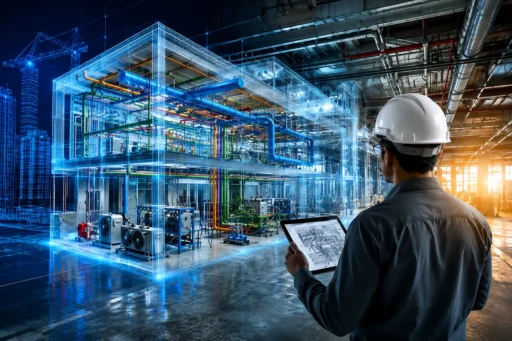
Building Information Modeling continues to transform the engineering industry. Artificial Intelligence is now making BIM even more powerful by automating project coordination and improving collaboration between different engineering disciplines.
Modern BIM AI solutions can detect design conflicts, identify missing information, and recommend corrections before construction begins. This reduces costly rework during execution.
Improved digital workflows are also improving coordination between architects, structural engineers, MEP consultants, and contractors. Every project stakeholder works with updated information throughout the project lifecycle. As smart construction continues to grow, AI-enabled BIM platforms will become an essential part of every large infrastructure and commercial project.
Trend 3: Predictive Structural Analysis
Structural engineers are increasingly using Artificial Intelligence to predict how buildings and infrastructure will perform under different conditions. One of the most powerful applications of AI in civil engineering is predictive structural analysis. AI studies historical project data, environmental conditions, and structural behavior to estimate future performance.
Advanced machine learning algorithms continuously analyze project information and identify patterns that may not be immediately visible through traditional engineering methods. This technology also strengthens risk assessment by identifying possible structural weaknesses before they become major problems. Engineers can take preventive action early, improving both safety and long-term project performance.
Trend 4: Automated Drafting & Smart CAD Tools
Engineering drawings continue to play an important role in project execution. Artificial Intelligence is reducing the time required to prepare these drawings while improving consistency.
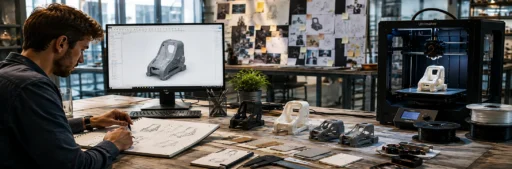
Modern AutoCAD automation features assist engineers by generating repetitive drawing elements automatically. Designers can focus more on engineering decisions instead of routine drafting activities.
Several software platforms now combine AI in CAD design with intelligent recommendations that improve drawing accuracy and reduce manual corrections. Advanced digital drafting systems also simplify revision management because changes made in one area can automatically update related drawings. This helps engineering teams maintain better document control throughout the project.
Trend 5: AI in Construction Safety
Construction sites involve constant movement, heavy equipment, and multiple teams working at the same time. Maintaining safety under these conditions requires continuous monitoring and quick decision-making.
Artificial Intelligence is making job sites safer through intelligent construction site monitoring systems. Smart cameras and computer vision technology can detect unsafe behavior, identify missing protective equipment, and alert supervisors before accidents occur.
AI also helps monitor restricted areas, equipment movement, and worker activity in real time. Faster alerts allow project teams to respond immediately and reduce potential risks. Rather than replacing safety professionals, AI acts as an additional layer of protection that supports safer working environments.
Trend 6: Generative Design Systems
Generative design is changing the way engineers approach structural design challenges. Instead of creating a single design option, AI generates multiple solutions based on engineering requirements and project constraints.
Engineers define factors such as material type, loading conditions, budget, and design objectives. The software then evaluates numerous alternatives before recommending optimized structural solutions.
This technology is becoming increasingly valuable in modern architecture, where buildings often feature complex shapes and unique structural requirements. AI also supports computational design by helping engineers evaluate different concepts quickly while maintaining structural performance and design standards. Creative ideas that once required weeks of development can now be explored much more efficiently.
Trend 7: Digital Twin Technology
Digital Twin technology is expected to become one of the most influential innovations in structural engineering over the next few years.
A digital twin is a virtual representation of a physical structure that continuously receives information from sensors installed on the actual building or infrastructure. Engineers can monitor structural performance without being physically present on site. Modern digital twin systems help organizations understand how structures behave under real operating conditions. Engineers can evaluate performance, identify unusual changes, and make informed maintenance decisions.
The technology also supports better infrastructure management because asset owners receive continuous information throughout the structure’s life. AI further improves predictive maintenance by identifying early warning signs before visible damage develops. Preventive maintenance reduces repair costs, extends asset life, and improves public safety.
Conclusion
Artificial Intelligence is not changing the purpose of structural engineering. It is changing how engineers solve problems. Design processes are becoming faster, project coordination is improving, and engineering decisions are supported by intelligent data analysis.
Professionals who understand AI technologies, BIM workflows, digital design tools, and advanced engineering software will be well prepared for future industry requirements. Organizations continue to invest in these technologies because they improve project quality while supporting better business outcomes.
A successful structural engineering career will depend on continuous learning and practical competency. Engineers who combine technical knowledge with modern digital tools will remain valuable as the profession continues to evolve. Choosing a quality structural design course that includes AI-enabled engineering tools, BIM applications, and industry-standard software can provide a strong foundation for long-term career growth.
FAQs
1. Will AI replace structural engineers in the future?
No. AI is designed to assist engineers rather than replace them. It automates repetitive work, analyzes large volumes of data, and provides recommendations. Engineers still make the final design decisions, apply engineering judgment, and ensure projects meet safety standards.
2. What are the latest trends in structural engineering in 2026?
Some of the most important trends include AI-powered structural design, Smart BIM integration, predictive structural analysis, intelligent CAD automation, AI-driven construction safety, generative design systems, and Digital Twin technology.
3. Is structural engineering a good career in the AI era?
Yes. Demand for structural engineers continues to grow because infrastructure development and digital construction technologies are expanding worldwide. Engineers who understand AI and modern engineering software have excellent career opportunities.
4. Which software should civil and structural engineers learn in 2026?
Professionals should develop competency in AutoCAD, Revit, STAAD.Pro, ETABS, Tekla Structures, BIM platforms, and AI-enabled engineering applications. Familiarity with Digital Twin and cloud collaboration platforms also provides additional career advantages.
5. How does CADD Centre help students in structural engineering careers?
CADD Centre offers industry-focused training that combines engineering fundamentals with practical software learning. Students gain hands-on experience using widely adopted design and BIM tools while working on project-based exercises that improve job readiness and professional competency.