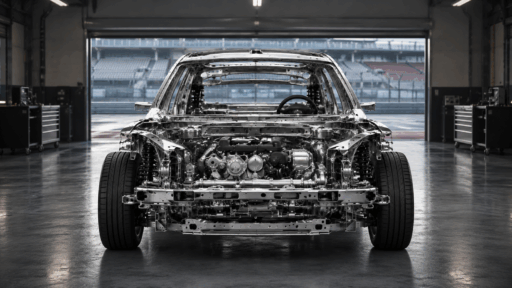
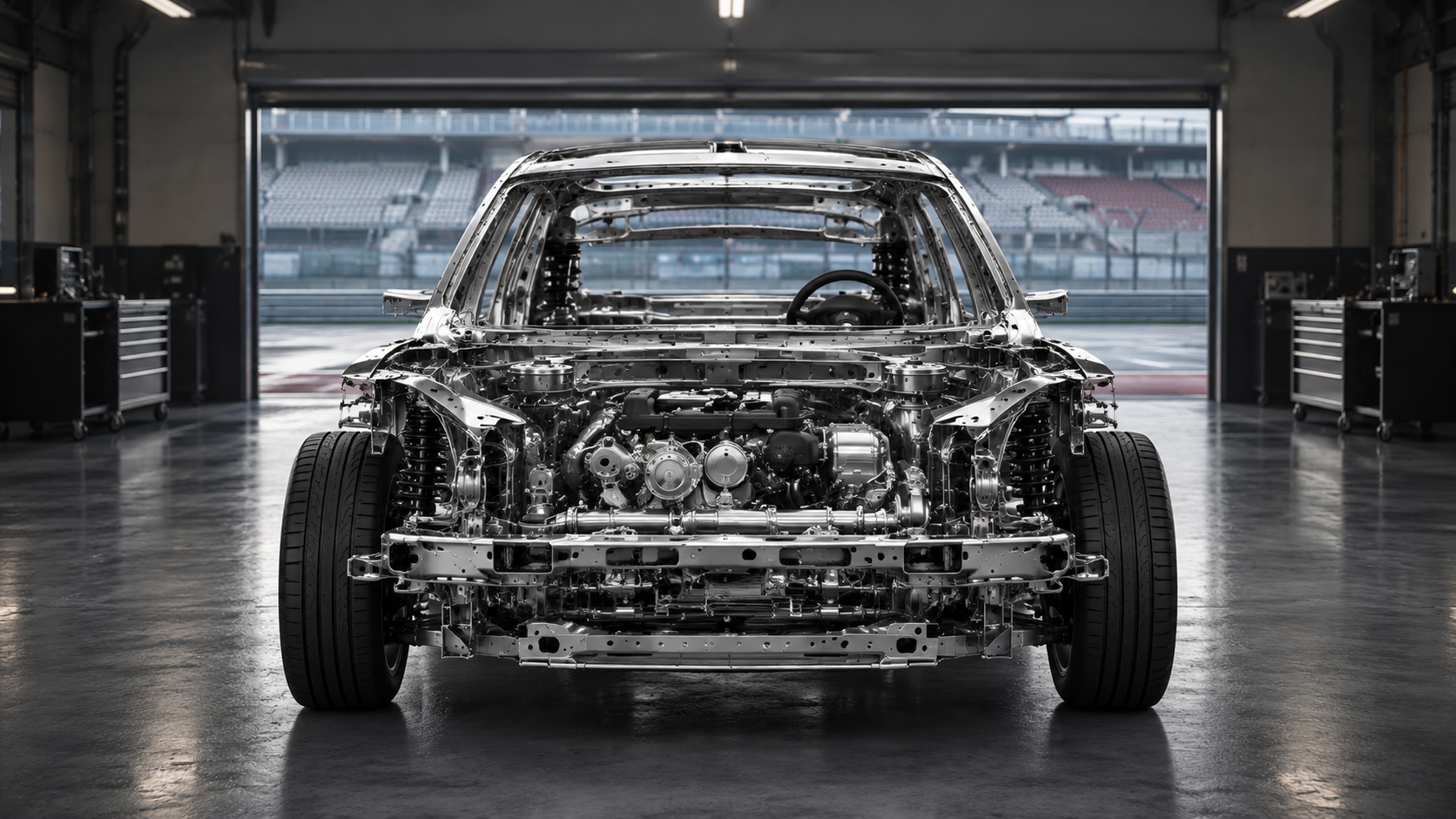
The modern automobile is a masterpiece of precision engineering. Beneath the sculpted exterior, premium interiors, and electrified powertrains lies a structural framework that determines how a vehicle performs, protects, and endures. This framework is known as BIW Design, short for Body in White.
In today’s rapidly evolving automotive industry, the role of BIW design has become more critical than ever. As automakers race toward electric vehicles, autonomous systems, and lightweight architectures, engineers with expertise in BIW are at the center of this transformation. For aspiring professionals seeking to enter advanced automotive engineering, BIW design offers one of the most technically rewarding and future-proof career paths.
In 2026, learning BIW design is no longer just an option for mechanical and automobile engineers; it is a strategic investment in a high-growth engineering domain.
What Does BIW Mean in the Automotive Industry?
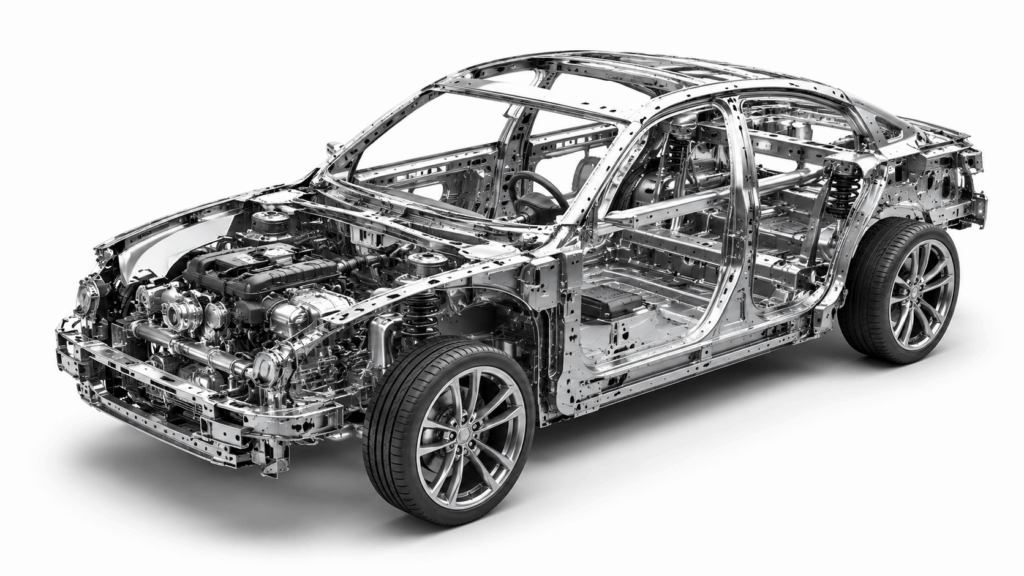
In the automotive industry, Body in White (BIW) refers to the stage of vehicle manufacturing where the body shell has been assembled from sheet metal components but has not yet been painted or fitted with trim, powertrain, or electrical systems.
The term “white” originates from the bare metal appearance after welding and assembly.
A typical BIW structure consists of:
- Underbody
- Side body panels
- Roof assembly
- Front-end structure
- Doors, hood, and tailgate reinforcements
- Pillars (A, B, C, and D pillars)
This skeletal structure serves as the backbone of every vehicle, determining:
- Crashworthiness
- Torsional rigidity
- Weight distribution
- NVH (Noise, Vibration, and Harshness)
- Passenger safety
In the age of smart manufacturing, BIW structures are increasingly optimized using digital twins, robotic welding, and advanced simulations before a single part is stamped.
Importance of BIW Design in Vehicle Manufacturing
The significance of automotive BIW design extends far beyond structural assembly. It is a multidisciplinary engineering discipline that integrates design, manufacturing, materials science, and safety engineering.
In practical terms, BIW engineering ensures that a vehicle body is:
- Strong enough to withstand collisions
- Lightweight enough to improve fuel efficiency or battery range
- Manufacturable at scale
- Cost-effective
- Compliant with global safety regulations
With the rise of electric vehicles, BIW engineers now face even greater challenges. Battery packs add substantial mass, requiring redesigned floor structures and reinforcements. This has elevated BIW design into a cornerstone of advanced CAD technologies used by global automotive companies such as Tesla, Inc., Toyota Motor Corporation, BMW Group, and Hyundai Motor Company.
Simply put, if the engine is the heart of a vehicle, BIW is its skeleton.
Top Skills Required for BIW Design Engineers
Successful BIW engineers combine design expertise with manufacturing knowledge and a strong understanding of safety.
1. Sheet Metal Design Fundamentals
Understanding stamping operations, material behavior, and manufacturability constraints.
2. Spot Welding and Joining Methods
Knowledge of welding techniques such as:
- Resistance Spot Welding (RSW)
- MIG/TIG welding
- Laser welding
- Adhesive bonding
- Riveting
3. Assembly Design
Mastery of assembly design, including locating schemes, fixture design, and tolerance stack-up.
4. Automotive Safety Standards
Designing components that comply with automotive safety standards such as Indian, Euro NCAP, FMVSS, and AIS regulations.
5. CAD Modeling and Drafting
Proficiency in creating 3D models & engineering drawings for production-ready components and assemblies.
6. GD&T and Tolerance Analysis
Applying Geometric Dimensioning and Tolerancing to ensure manufacturable precision.
7. CAE Interpretation
Understanding simulation results related to crash performance, stiffness, and durability.
These competencies make BIW engineers indispensable to both OEMs and engineering service firms.
Software Used in Automotive BIW Design
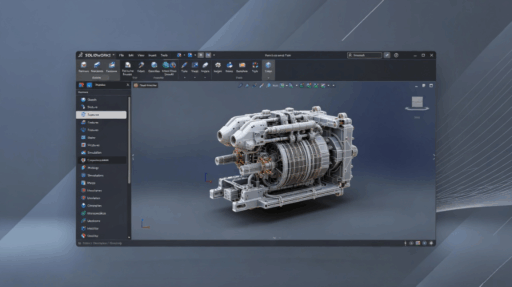
The modern BIW engineer works with sophisticated digital tools that combine modeling, validation, and manufacturing analysis.
CAD Platforms:
- CATIA
- Siemens NX
- PTC Creo
These are among the most widely used advanced CAD & CAE software platforms in automotive development.
Simulation Tools:
- Altair HyperMesh
- LS-DYNA
- ANSYS
These simulation software applications help engineers evaluate structural strength, crash energy absorption, and fatigue behavior. Together, these tools form the digital backbone of the automotive and manufacturing industries.
Why Learn Automotive BIW Design in 2026?
The automotive sector is experiencing a once-in-a-century transformation.
Electric vehicles, autonomous systems, and connected transportation are redefining how vehicles are engineered. This era of smart mobility solutions demands lighter, safer, and more efficient body structures.
Here is why 2026 is an exceptional time to learn BIW design:
EV Boom:
Manufacturers are launching new vehicle platforms optimized for battery integration and lightweight construction.
Strong Industry Demand:
Leading automotive companies are hiring engineers skilled in BIW development, digital validation, and product optimization.
Advanced Digital Workflows:
Engineers proficient in CAD modeling and modern manufacturing technologies are highly sought after.
Global Engineering Opportunities:
BIW design skills are transferable across India, Europe, Japan, and North America.
High Growth Potential:
BIW engineers often progress into CAE, product development, platform engineering, and technical leadership roles.
For graduates looking to future-proof their careers, BIW design offers both technical depth and exceptional industry relevance.
Career Opportunities in Automotive BIW Design
Professionals trained in BIW design can pursue roles such as:
- BIW Design Engineer
- Closure Design Engineer
- Sheet Metal Design Engineer
- Automotive CAD Engineer
- Product Development Engineer
- CAE Analyst
- Fixture Design Engineer
- Vehicle Integration Engineer
Top recruiters include global OEMs and engineering firms such as Tata Motors Limited, Mahindra & Mahindra Limited, Maruti Suzuki India Limited, Bosch, Magna International Inc., and Aptiv PLC.
Automotive BIW Design Course at CADD Centre
For aspiring engineers seeking structured, industry-oriented training, CADD Centre offers a specialized BIW design course aligned with current automotive practices.
The program typically covers:
- Automotive body architecture
- Sheet metal design
- Spot welding and joining strategies
- GD&T and tolerance analysis
- Fixture and assembly methodologies
- CATIA training
- Industry projects and portfolio development
For students pursuing automotive engineering careers, this course bridges the gap between academic theory and real-world engineering applications.
Conclusion
In every vehicle on the road, from compact hatchbacks to autonomous electric SUVs, the hidden framework determines safety, efficiency, and durability. That framework is the Body in White. Mastering BIW Design places you at the structural core of vehicle development. It is a discipline where engineering judgment, digital design, and manufacturing science converge.
If you are passionate about automobiles and aspire to build a career in next-generation vehicle engineering, enrolling in a professional BIW design course can be the catalyst that launches your journey.
FAQs
What is Automotive BIW Design process?
The Automotive BIW Design process involves designing a vehicle’s sheet metal body structure before painting and final assembly. It includes 3D modeling, welding design, tolerance analysis, simulation, and preparation of engineering drawings.
Which software is used for Automotive BIW Design?
Common software used in Automotive BIW Design includes CATIA, Siemens NX, PTC Creo, Altair HyperMesh, and ANSYS.
Is Automotive BIW Design a good career in 2026?
Yes. With the growth of electric vehicles and smart mobility solutions, BIW Design is a high-demand specialization offering strong career prospects in the automotive industry.
What skills are required for BIW Design Engineers?
Key skills include sheet metal design, welding and assembly concepts, GD&T, automotive safety standards, and proficiency in CAD software such as CATIA or Siemens NX.
What is the salary of a BIW Design Engineer in India?
Freshers typically earn ₹3.5–6 LPA, while experienced BIW Design Engineers can earn ₹6–25+ LPA depending on expertise and employer.
Can freshers get jobs in Automotive BIW Design?
Yes. Freshers with relevant training, CAD proficiency, and project experience can secure entry-level roles in Automotive BIW Design.