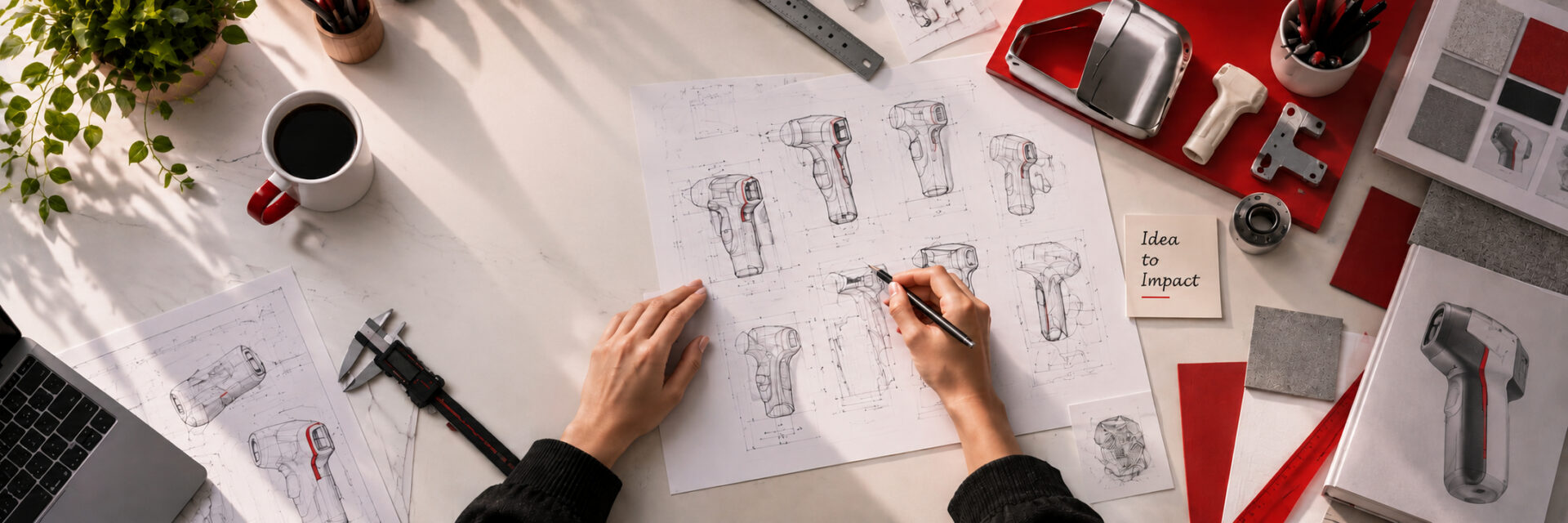
Every object around you, began as an idea that had to be engineered into something real. That transformation, from a rough concept to a manufacturable, market-ready product, is what product design is built on. As India’s manufacturing and engineering design ecosystem expands, careers in product development have moved from a niche specialisation to one of the most in demand paths in engineering design today. For engineering graduates and working professionals alike, understanding what this career actually involves, and what it takes to break into it, is the first step toward building a future in it.
What Is Product Design?
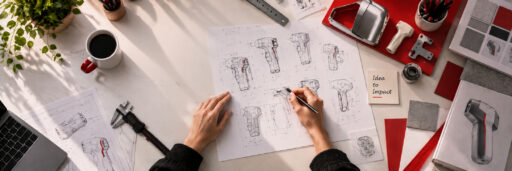
Product design is the process of developing concepts and turning them into physical, functional products, bridging creativity with engineering precision. It typically starts with sketching and ideation, moves into building 3D models using software, and continues through analysis, prototyping, and validation before a product is finally ready for manufacturing. Unlike purely aesthetic design, product design is grounded in mechanics, materials, and manufacturability, ensuring that what looks good on screen can actually be built, assembled, and used in the real world. The product design process is iterative by nature; concepts are modelled, tested, and refined repeatedly until they meet both functional and commercial requirements.
What Does a Product Designer Do?
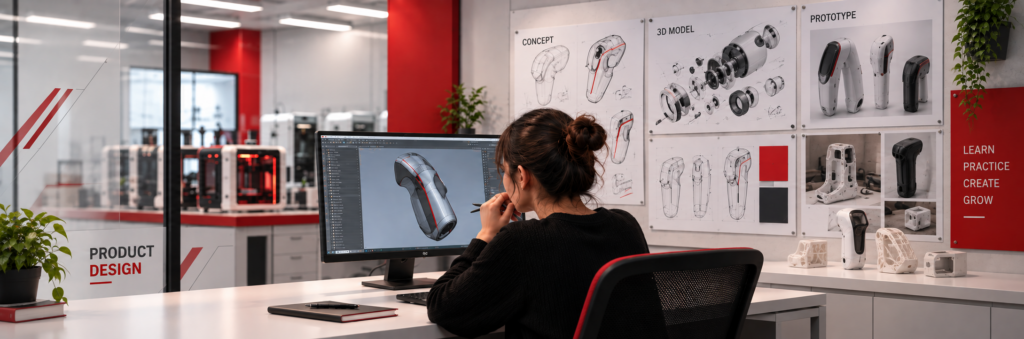
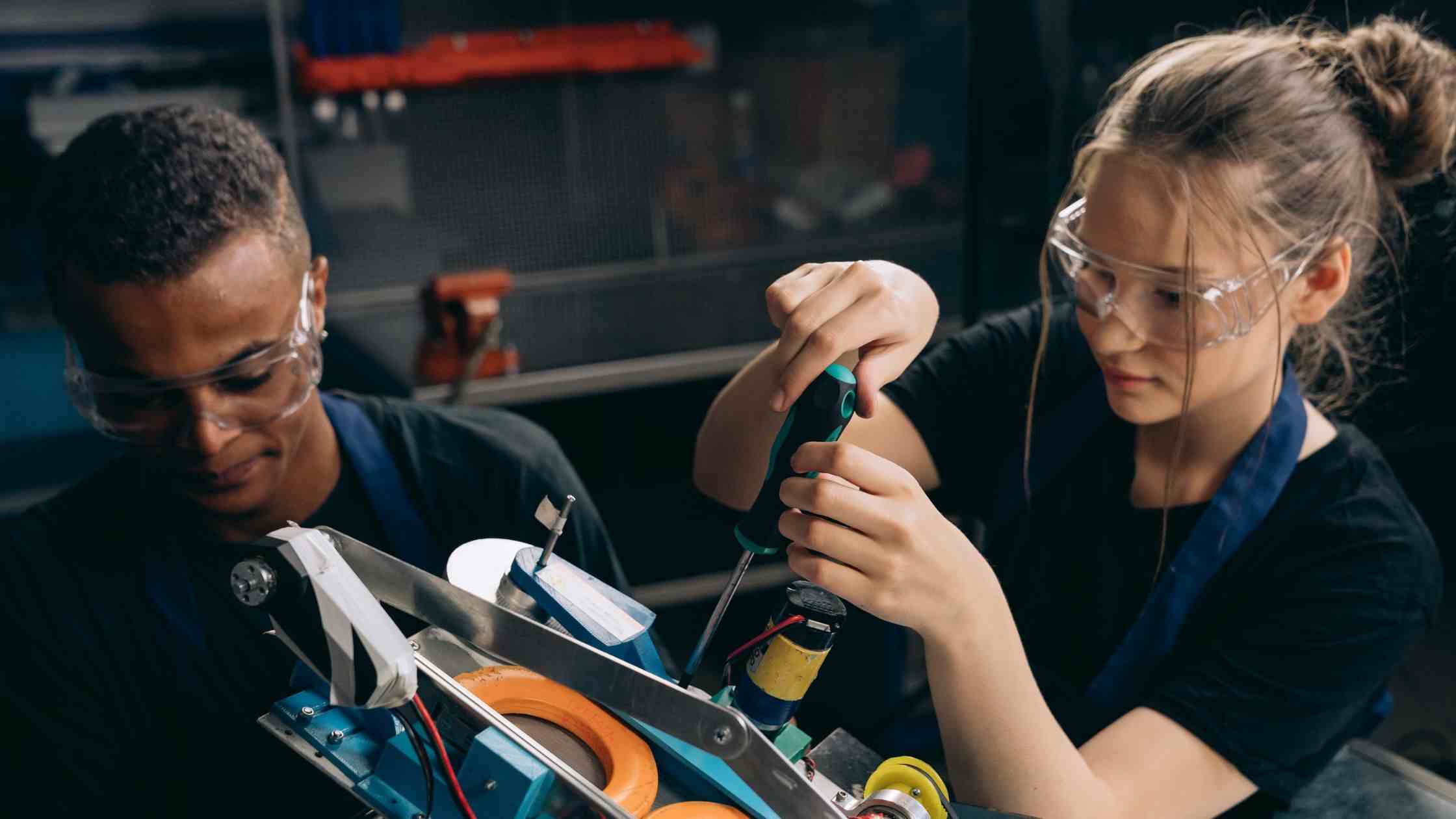
A product designer’s role sits at the intersection of creativity and engineering. Day to day, product designer responsibilities include translating a concept or a client brief into detailed 3D models, running design validation and simulation, and preparing manufacturing-ready drawings. Prototype development is a central part of the job, designers build physical or digital prototypes to test form, fit, and function before committing to full-scale production. Depending on the organisation, a product designer role may also involve collaborating with mechanical engineers, material specialists, and manufacturing teams to ensure a design can be produced efficiently and cost-effectively, without compromising on user experience or durability.
How to Become a Product Designer
Most product design careers begin with a background in mechanical, automotive, or industrial engineering, though graduates from other engineering streams and diploma holders regularly enter the field as well. From there, the typical route is a focused product design course that builds hands-on proficiency with industry-standard CAD, simulation, and rendering software, since employers consistently look for candidates who are job-ready on these tools rather than only familiar with the theory behind them. Internships, live projects, and portfolio-building during this training stage matter as much as the qualification itself, since hiring in this field is heavily driven by demonstrated, hands-on capability.
What Is Required to Become a Product Designer?
Becoming a capable product designer calls for a combination of technical proficiencies and design thinking. On the technical side, this includes command over CAD and 3D modelling software such as SolidWorks, CATIA, AutoCAD, Creo, and NX, along with an understanding of design for manufacturability (DFM), tolerancing, and material selection. On the creative side, strong visualisation, sketching, and problem-solving abilities help designers move quickly from a rough idea to a workable concept. A recognised product design certification adds credibility to a resume and signals to employers that a candidate’s proficiencies have been tested against real, industry-aligned project work rather than classroom exercises alone.
Product Design Jobs, Career Options and Salary Insights
Product design offers a wide range of career options, from junior CAD designer and design engineer roles to senior positions such as product design lead or new product development (NPD) engineer. According to CAD designer salary data aggregated from AmbitionBox, Glassdoor, and PayScale, entry level design engineers with CAD proficiency typically earn in the range of 2.4 to 3.5 lakh per annum in India, with mid-level professionals (3 to 6 years of experience) earning 5.5 to 8.5 lakh per annum. Senior CAD professionals with 8 or more years of experience in specialised tools such as SolidWorks, CATIA, or NX can earn 10 to 18 lakh per annum, with design leadership and specialised automotive or aerospace roles reported to command a premium at established OEMs and engineering research and development firms. A product design career, in other words, offers a genuinely long runway for growth for professionals who continue to build depth in their tools and domain knowledge over time.
What Industries Hire Product Designers?
The automotive sector remains one of the largest employers, designing everything from vehicle components to EV battery enclosures, alongside aerospace and defence, where precision and regulatory compliance are non negotiable. Consumer electronics and appliance manufacturers rely on product designers to keep pace with rapid product cycles, while the medical device industry increasingly hires designers who understand both engineering and manufacturing compliance standards. Industrial equipment, heavy machinery, and manufacturing OEMs round out the picture, sectors that CADD Centre’s own Executive Diploma in Product Design is directly aligned to. This spread is backed by market momentum: India’s engineering research and development (ER&D) services market was valued at over USD 133.71 billion in 2025 and is projected to grow at roughly 10.14% through 2031, according to Mordor Intelligence. This growth is a direct signal of how much organisations across sectors are investing in structured product design capability.
How CADD Centre Can Help You Build a Product Design Career
Understanding the theory behind product design is only half the job; employers expect candidates who can operate confidently on the same CAD and simulation platforms used on live projects from day one. This is precisely the gap the Executive Diploma in Product Design is built to close, covering ideation, sketching, 3D modelling, simulation, and real-world design validation across a structured, industry-aligned curriculum. For engineering graduates and working professionals looking to enhance their competence, build advanced proficiency across CATIA, SolidWorks, and analysis tools, backed by CADD Centre’s project-based learning approach, industry-experienced mentors, and placement support through its ‘First Job Pakka’ initiative. For anyone serious about a career in product design, this kind of applied, industry-aligned training is what separates knowing the software from being ready to use it on the job.
Conclusion
Product design sits right at the centre of how physical products come to life today, from an automotive component to a piece of medical equipment, and the demand for capable, well-trained designers is only accelerating as India’s engineering and manufacturing base expands. Building a genuine career in this field takes more than an interest in CAD software; it takes structured, hands-on training that mirrors how real product teams actually work. As industries from automotive to healthcare continue to invest heavily in product development, the professionals who build strong, industry-aligned product design competencies now will be the ones best positioned to lead that work. Enrol in CADD Centre’s Product Design Courses and get hands-on with the same industry-grade tools driving product development across the country, right from day one.
FAQs
1. Is Product Design a Good Career?
Yes. With India’s ER&D and manufacturing sectors growing steadily and automotive, aerospace, consumer electronics, and medical device companies all hiring, product design offers strong long-term career growth for professionals who build solid CAD and design engineering proficiency.
2. What qualifications are needed to become a Product Designer?
Most product designers hold a background in mechanical, automotive, or industrial engineering, though candidates from other engineering streams also enter the field through focused, industry-aligned product design training.
3. Which CAD software should I learn for Product Design?
CATIA, SolidWorks, AutoCAD, Creo, and NX are among the most widely used CAD platforms in product design across automotive, aerospace, and consumer product industries in India.
4. What is the salary of a Product Designer in India?
Entry-level product design engineers typically earn between ₹2.4 and ₹3.5 lakh per annum, mid-level professionals earn ₹5.5 to ₹8.5 lakh, and senior designers with 8 or more years of experience can earn ₹20 to ₹35 lakh per annum or more, depending on domain and specialisation.
5. What job opportunities are available in Product Design?
Product designers work as CAD designers, design engineers, new product development (NPD) engineers, and product design leads across automotive, aerospace, consumer electronics, medical devices, and industrial manufacturing sectors.
6. Does CADD Centre Provide Practical Product Design Training?
Yes. CADD Centre’s product design programs combine hands-on CAD, simulation, and prototyping training with live project work, industry-experienced mentors, and placement support, giving learners direct exposure to how product teams operate on the job.